
Cholecystectomy (Gallbladder Removal Surgery)

What is the Gallbladder?
The gallbladder is a small pear-shaped organ located beneath the liver. It stores bile, which helps in digestion of fats. Problems occur when stones or inflammation develop in the gallbladder.
What Leads to Suspicion of Gallbladder Disease?
Gallbladder pathology is commonly suspected when a patient experiences:
Pain in the right upper abdomen
Pain after eating fatty or oily food
Pain radiating to the back or right shoulder
Recurrent episodes of abdominal discomfort
Nausea or vomiting
Fever with abdominal pain (suggests infection)
Yellow discoloration of eyes or urine (jaundice)
These symptoms often prompt further investigations.
Role of Ultrasound (USG) in Diagnosis
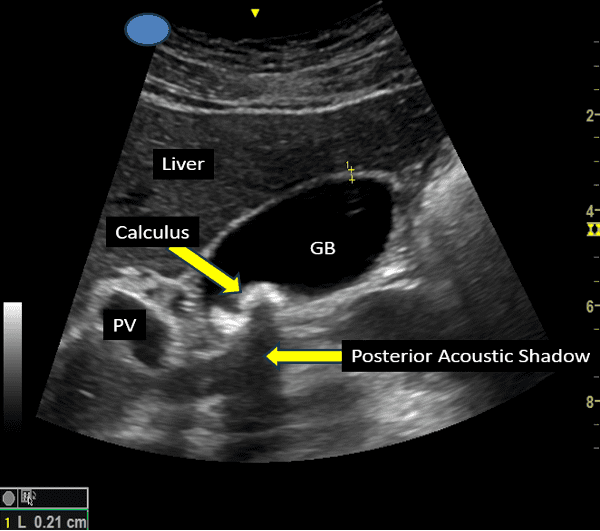
Ultrasound of the abdomen is the most important investigation for gallbladder disease.
Common USG Findings:
Gallstones (Cholelithiasis) – stones inside the gallbladder
Thickened gallbladder wall – suggests inflammation
Distended gallbladder
Pericholecystic fluid – indicates acute infection
Dilated bile ducts – may suggest stones in bile duct
Ultrasound is painless, non-invasive, and highly accurate.
Clinical Conditions Involving the Gallbladder
Symptomatic gallstones
Acute cholecystitis (infection of gallbladder)
Chronic cholecystitis (long-standing inflammation)
Gallbladder polyp
Porcelain gallbladder
Recurrent biliary colic affecting daily life
In these conditions, surgery is usually advised.
Types of Cholecystectomy (Gallbladder Surgery)
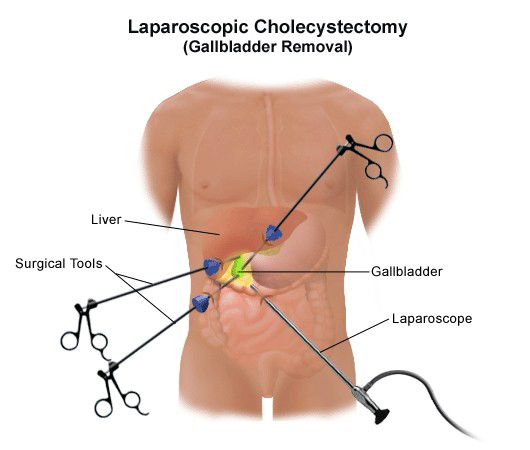
1. Laparoscopic Cholecystectomy (Keyhole Surgery)
Most common and preferred method
3–4 small cuts on the abdomen
Less pain, faster recovery
Short hospital stay
2. Open Cholecystectomy
Larger incision below the ribs
Required in complicated cases or severe infection
Longer recovery period
Your surgeon will decide the best approach based on your condition.
Choledocholithiasis (Stones in the Bile Duct)
Choledocholithiasis refers to gallstones that have migrated into the common bile duct.
Symptoms May Include:
Jaundice
Fever with chills
Severe abdominal pain
Dark urine and pale stools
Management:
Usually treated by ERCP (endoscopic stone removal)
Gallbladder surgery is done after duct clearance
Pre-Operative Diet Chart (Before Gallbladder Surgery)
Following the right diet before surgery helps reduce symptoms and prepares your body for anesthesia.
3–5 Days Before Surgery
Recommended Foods
Plain rice or soft chapati
Dal (well cooked, less oil)
Curd / buttermilk
Boiled vegetables (lauki, pumpkin, carrot)
Fruits like banana, apple, papaya
Coconut water
Adequate water intake
Foods to Avoid
Oily, fried food
Spicy curries
Fast food and junk food
Butter, ghee, cream
Red meat
Alcohol
Day Before Surgery
Allowed
Light meals only
Khichdi, rice with dal
Clear soup
Curd rice (small quantity)
Avoid
Heavy or fatty meals
Late-night eating
Fasting Before Surgery
Solid food: Stop 8 hours before surgery
Clear liquids (water): Allowed up to 2 hours before surgery (unless advised otherwise)
Always follow the exact fasting instructions given by your surgeon or anesthetist.
Steps of Laparoscopic Cholecystectomy (Simplified)
General anesthesia is given
Small incisions are made on the abdomen
Camera and instruments are inserted
Gallbladder is separated from the liver
Cystic duct and artery are clipped and divided
Gallbladder is removed through a small incision
Wounds are closed
The surgery usually takes 45–90 minutes.
What to Expect After Surgery?
Immediately After Surgery
Mild pain at incision sites
Shoulder pain (due to gas used during laparoscopy)
Nausea for a few hours
Hospital Stay
Usually 1–2 days
Some patients go home the same day
Diet After Surgery
Liquids on the same day or next day
Normal diet gradually
Avoid very fatty food initially
Post-Operative Diet Chart (After Gallbladder Surgery)
Diet is advanced gradually after surgery.
First 6–12 Hours After Surgery
Allowed
Sips of water
Oral rehydration solution
Clear fluids if permitted
Day 1 After Surgery
Allowed
Clear soup
Coconut water
Tea without milk
Rice gruel (ganji)
Plain biscuits (small quantity)
Day 2–3 After Surgery
Soft Diet
Plain rice or soft chapati
Dal (no tadka)
Curd or buttermilk
Boiled vegetables
Steamed idli
Khichdi
After 1 Week
Gradual Return to Normal Diet
Home-cooked food
Less oil and spices
Small frequent meals
Adequate protein intake
Foods to Still Avoid
Deep-fried food
Fast food
Excessively spicy dishes
Very fatty meals
Long-Term Diet Advice (After Gallbladder Removal)
Most patients tolerate normal diet well
Eat small, frequent meals
Limit oily food initially
Increase fiber slowly
Maintain hydration
💡 Occasional loose stools may occur initially — this usually settles on its own.
Sample One-Day Post-Op Meal Plan
Breakfast
Idli / toast
Tea without milk
Lunch
Rice
Dal
Boiled vegetables
Curd
Evening
Fruit or biscuit
Coconut water
Dinner
Soft chapati
Vegetable curry (low oil)
Dal
Recovery
Normal daily activities: 5–7 days
Office work: 1 week
Heavy lifting: after 3–4 weeks
Life Without Gallbladder
Gallbladder removal does not affect digestion significantly
Liver continues to produce bile
Most patients live a completely normal life
When to Contact Your Surgeon After Surgery?
Fever
Increasing abdominal pain
Redness or discharge from wounds
Persistent vomiting
Jaundice
Disclaimer
This information is intended for patient education only and does not replace professional medical advice. Treatment decisions depend on individual clinical evaluation by your surgeon.