What Is an Inguinal Hernia?
An inguinal hernia appears as a bulge in the groin, which may increase on:
Standing
Coughing
Lifting weights
Straining during bowel movements
The swelling may reduce when lying down and reappear on activity.
Types of Inguinal Hernia
Indirect Inguinal Hernia
More common
Often seen in younger patients
Due to a congenital weakness
May extend into the scrotum
Direct Inguinal Hernia
Seen more commonly in older adults
Caused by acquired muscle weakness
Usually confined to the groin area
(For patients, both types are treated similarly.)
Do Inguinal Hernias Need Surgery?
In adults, inguinal hernias do not heal on their own.
Surgery is advised when:
The swelling is increasing in size
Pain or discomfort is present
Daily activities are affected
There is risk of complications
⚠️ Emergency treatment is required if there is:
Sudden severe pain
Vomiting
Red, tense swelling
Inability to push the hernia back
These signs may indicate strangulation, which is a surgical emergency.
Surgical Treatment Options
In adults, most inguinal hernias are treated using mesh repair (hernioplasty), which significantly reduces the risk of recurrence.
Terminology Explained
Herniotomy → Removal of hernia sac (mainly in children)
Herniorrhaphy → Tissue repair without mesh
Hernioplasty → Mesh repair (standard in adults)
Open vs Laparoscopic Inguinal Hernia Surgery
Both approaches are safe, effective, and widely practiced. The choice depends on patient factors, hernia characteristics, and surgeon experience.
Open Surgery – Commonly Preferred When:
Hernia is on one side only
Patient is elderly
Patient has heart or lung disease
Cost is a concern
Hernia is large or long-standing
General anesthesia is not advisable
Laparoscopic Surgery – Often Preferred When:
Hernia is on both sides
Hernia has recurred after open surgery
Faster recovery is important
Patient is young and physically active
Cosmetic outcome is a priority
Patient is fit for general anesthesia
👉 There is no universal “best” method.
The best surgery is the one most suitable for the individual patient.
Common Complications of Inguinal Hernia and Its Surgery
Complications of Untreated Hernia
Incarceration (hernia gets stuck)
Strangulation (loss of blood supply)
Intestinal obstruction
Emergency surgery risk
Bowel damage
Possible Post-Surgical Complications
(Most are uncommon, but important to understand)
Pain or discomfort in the groin
Seroma (fluid collection)
Hematoma (blood collection)
Wound infection
Chronic groin pain
Numbness or altered sensation
Recurrence of hernia
Mesh-related complications (rare)
Testicular pain or swelling (rare)
⚠️ Most complications are preventable and manageable with proper surgical technique and postoperative care.
Recovery and Lifestyle After Surgery
Early walking is encouraged
Gradual return to daily activities
Avoid heavy lifting for 4–6 weeks
Maintain healthy body weight
Treat chronic cough and constipation
Follow medical advice strictly
Pre-Operative Care (Before Surgery)
1. Medical Evaluation
Before surgery, your surgeon may advise:
Blood tests
ECG (especially if over 40 years or with heart disease)
Chest X-ray (if required)
Review of existing medical conditions like diabetes, hypertension, asthma
Inform your doctor if you have:
Heart or lung disease
Diabetes
Bleeding disorders
Any drug allergies
Previous surgeries
2. Medications
Continue regular medicines unless advised otherwise
Blood thinners (e.g. aspirin, clopidogrel, warfarin) may need to be stopped a few days earlier — only on doctor’s advice
Avoid self-medication before surgery
3. Fasting Instructions
Do not eat solid food for 6–8 hours before surgery
Clear liquids may be allowed up to 2 hours before surgery, if permitted
Strict fasting is essential for safe anesthesia
4. Lifestyle Preparation
Stop smoking at least 2 weeks before surgery
Avoid alcohol for at least 48–72 hours
Treat cough, cold, or constipation before surgery
Maintain good personal hygiene
5. On the Day of Surgery
Take a bath
Wear loose, comfortable clothing
Remove jewellery, dentures, nail polish
Arrive at the hospital on time
Carry all previous medical records
Post-Operative Care (After Surgery)

 4
1. Activity and Mobilization
Walking is encouraged from the same day or next day
Gradually increase activity based on comfort
Avoid sudden twisting movements
🚫 Avoid:
Heavy lifting
Straining
Vigorous exercise
(Usually for 4–6 weeks, as advised)
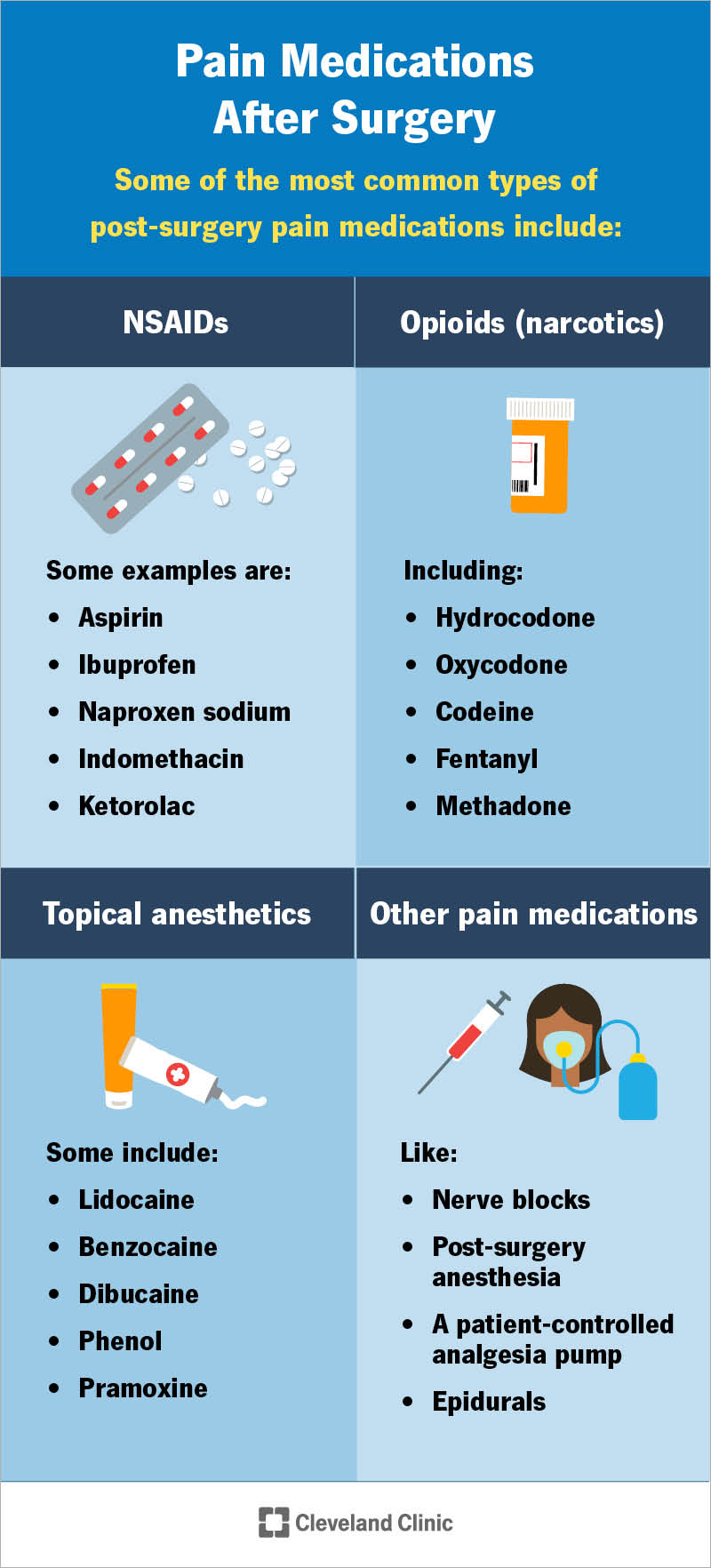
2. Pain Management
Mild to moderate pain is common initially
Take prescribed pain medicines regularly
Pain should gradually reduce each day
⚠️ Persistent or increasing pain should be reported.
3. Wound Care
Keep the wound clean and dry
Dressings should be changed as advised
Do not apply powders, oils, or home remedies
Sutures or staples are usually removed after 7–10 days (if non-absorbable)
Contact your doctor if you notice:
Redness
Swelling
Discharge
Fever
4. Diet After Surgery
Start with light, easily digestible food
Resume normal diet gradually
Drink plenty of fluids
🚫 Avoid constipation:
Eat high-fiber foods
Use stool softeners if prescribed
Do not strain during bowel movements
5. Work and Daily Activities
Desk work: usually after 7–14 days
Light household work: after 1–2 weeks
Heavy manual work: after 4–6 weeks
Driving: once pain is minimal and movements are comfortable
6. Exercise and Physical Activity
Walking is the best initial exercise
Avoid abdominal exercises initially
Gradual return to gym or sports only after medical clearance
Warning Signs – When to Seek Medical Help
Contact your surgeon immediately if you have:
Fever
Increasing pain or swelling
Redness or discharge from wound
Persistent vomiting
Severe groin or testicular pain
Difficulty passing urine
Preventing Recurrence After Hernia Surgery
Avoid heavy lifting initially
Maintain healthy body weight
Treat chronic cough
Avoid constipation and straining
Follow post-operative instructions strictly
Key Points to Remember
Good preparation improves surgical outcome
Early walking speeds recovery
Pain and mild swelling are expected initially
Most patients recover completely
Follow-up visits are important
Disclaimer
This information is for general awareness only and does not replace professional medical advice. Individual instructions may vary depending on the patient and type of surgery. Always follow your surgeon’s specific recommendations.